
Creating a comfortable outdoor space often means finding the right balance between privacy, openness, and visual appeal. If your deck or patio feels too exposed to neighbors or nearby activity, adding a privacy feature can make the area more enjoyable. A privacy screen and wall can both provide separation, but they work in different ways.
The right choice depends on how much privacy you need, how you use the space, and how the addition will fit with your existing deck, patio, yard, or home. Understanding the differences can help you choose an option that supports both your lifestyle and the overall design of your outdoor area.
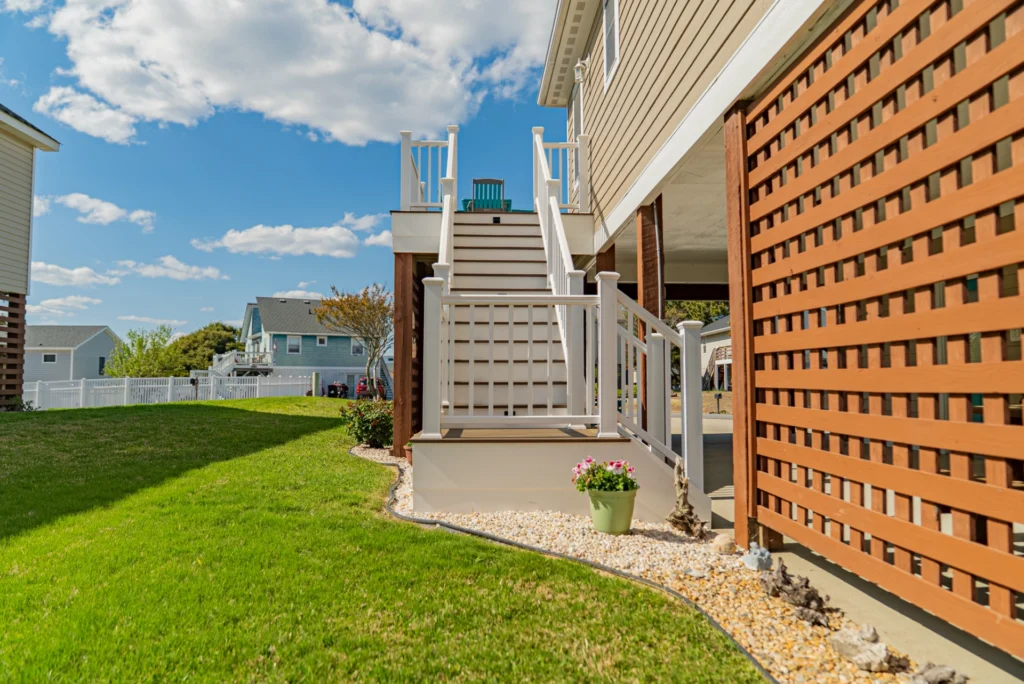
What Is a Privacy Screen vs. a Privacy Wall?
A privacy screen typically creates a more limited visual barrier. It can be positioned along part of a deck, patio, seating area, or another outdoor space. Because it does not necessarily enclose the entire area, a screen can provide privacy while preserving some openness.
A privacy wall generally creates a more substantial barrier. It can block a larger portion of the view and create a stronger sense of separation from surrounding properties or outdoor areas. Depending on the design, it can become a prominent architectural feature rather than simply an addition to an existing space.
When comparing a privacy screen and wall, consider whether you need targeted privacy or a more defined enclosure. A screen may work well when you only want to block a particular sightline. A wall may make more sense when you want a stronger visual boundary.
Privacy, Airflow, and Natural Light
Privacy is usually the main reason homeowners consider these features, but privacy does not always mean completely blocking the surroundings. A screen can offer separation while allowing some light and air to move through the space. This can help maintain an open outdoor feel.
A wall can provide greater visual separation, particularly when it covers a larger area or uses a more solid design. However, a more substantial barrier may also reduce airflow and natural light depending on its placement and height.
The best privacy screen and wall design should consider the direction of views, the position of the sun, and the way air moves through your outdoor area. Blocking one unwanted view does not necessarily require closing off the entire space.
Appearance and Outdoor Layout
A privacy feature should look like part of the outdoor space rather than an afterthought. The size, placement, proportions, and overall design can affect how the deck or patio feels.
A privacy screen can work well when you want to define a seating or dining area without making the entire space feel enclosed. It can also help create a visual transition between different parts of a yard.
When evaluating a privacy screen and wall, look at the entire outdoor area rather than the privacy feature alone. A well-planned addition should complement the home and existing structures.
Space, Maintenance, and Long-Term Considerations
Available space can influence your decision. A smaller outdoor area may benefit from a screen that provides privacy without visually dominating the space. A larger yard or deck may have enough room for a more substantial wall.
Maintenance should also be part of the discussion. Every outdoor structure requires consideration of cleaning, weather exposure, finishes, and the condition of surrounding components. The specific maintenance needs will depend on the materials and design selected.
For homeowners comparing a privacy screen and wall, it is also worth considering how the feature will age alongside the rest of the property. If your deck, patio, railing, or other outdoor elements are already being updated, coordinating the privacy feature with those improvements can create a more consistent finished appearance.
Cost and Intended Use
Budget is another important consideration. The final cost of either option can vary based on its size, design, materials, site conditions, and installation requirements. A smaller, simpler screen may require less work than a larger, more substantial wall, but every project should be evaluated individually.
Think about how you actually plan to use the space. A homeowner who wants a little separation around an outdoor dining area may have different needs from someone creating a secluded sitting area. Similarly, a deck that overlooks neighboring properties may require a different approach from a patio positioned in a more private part of the yard.
The intended use can help determine whether a privacy screen and wall should focus primarily on blocking a specific view or creating a stronger sense of enclosure.
Choosing the Right Privacy Solution
The best privacy screen and wall solution should reflect your privacy goals while fitting the size, layout, and appearance of your property. Consider what you want to block, how much openness you want to preserve, and how the feature will connect with your existing outdoor improvements.
If you are still comparing a privacy screen and wall, start by looking at the space as a whole. Think about your deck, patio, yard, surrounding structures, preferred appearance, budget, and intended use. A thoughtful design can provide privacy without sacrificing the character or functionality of your outdoor area.
SimpleSide Construction OBX can help homeowners discuss options for privacy projects and other outdoor living improvements. To explore ideas for your property, contact SimpleSide Construction OBX at (252) 564-8505 and discuss how a privacy solution can fit into your existing outdoor space.