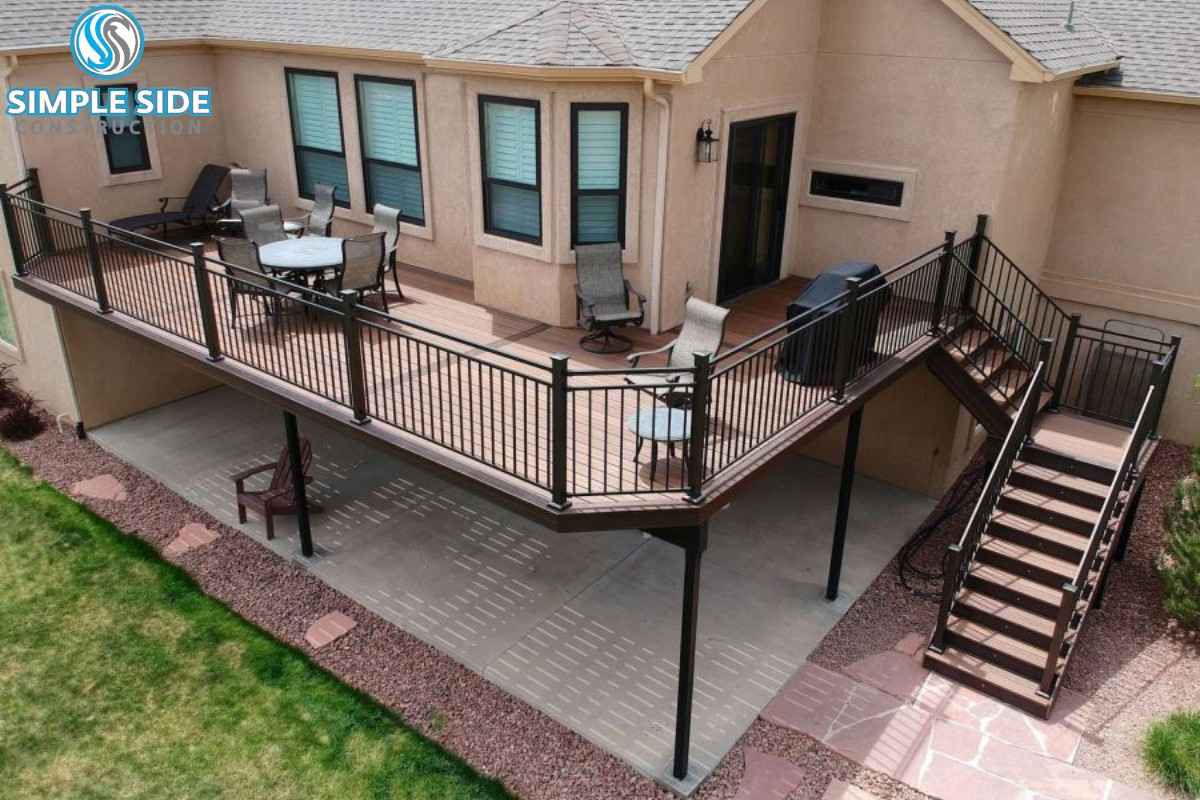
Safety is the paramount concern in elevated deck construction. These outdoor spaces, often several feet above ground, demand meticulous attention to detail and strict adherence to safety protocols. Professional residential deck builders understand that even a single oversight can lead to catastrophic failures, making safety the foundation of every elevated deck project.
Common risks associated with elevated decks
Elevated decks face unique hazards not present in ground-level structures. Structural collapse, often caused by inadequate support systems or deteriorated materials, is the most serious risk. Fall hazards arise from improperly installed or maintained railings, while weather-related damage, such as rot, corrosion, and freeze-thaw cycles, can compromise deck integrity over time. Improper stair construction and inadequate lighting also pose daily safety concerns for homeowners and guests.
The role of professional deck builders in ensuring safety
Professional deck builders like SimpleSide Construction bring expertise, accountability, and knowledge of local building codes to elevated deck projects. They use proper construction techniques and materials suited to specific environmental conditions, ensuring safety considerations are integrated throughout the design and construction process.
Structural Integrity and Design Considerations
Proper foundation and support systems
The foundation is the backbone of any elevated deck. Professional builders assess soil conditions, drainage patterns, and frost lines before establishing footings. Concrete piers or footings extending below the frost line prevent seasonal movement that could compromise structural integrity. Proper spacing and sizing of support posts ensure adequate load distribution.
Load-bearing capacity calculations
Experienced builders perform detailed load calculations to size joists, beams, and support posts appropriately. These calculations account for dead loads (deck materials) and live loads (people, furniture, snow). By exceeding minimum requirements, professional builders create decks that remain safe under various conditions.
Weather-resistant materials selection
Material selection impacts long-term safety and durability. Builders choose treated lumber for ground contact and fasteners resistant to corrosion. They recommend materials suited to specific climates, balancing durability, safety, and aesthetic appeal.
Compliance with local building codes and regulations
Building codes ensure minimum safety standards, and professional builders stay current with local requirements. They obtain permits, schedule inspections, and ensure all work meets or exceeds code standards, protecting homeowners from liability and ensuring deck safety.
Railing Systems and Fall Protection
Height requirements for deck railings
Building codes require railings on decks elevated 30 inches or more above grade, with heights typically set at 36 to 42 inches. Professional builders ensure railings meet these requirements while maintaining aesthetic appeal and functionality.
Sturdy balusters and spindles installation
Proper baluster spacing prevents children from slipping through while ensuring strength. Builders space balusters to prevent a 4-inch sphere from passing through, meeting safety standards while maintaining visual appeal. They secure balusters with fasteners that withstand lateral forces.
Child-safe railing designs
Professional builders avoid horizontal rails that encourage climbing and ensure no footholds assist children in scaling railings. Top rail designs prevent entrapment hazards while maintaining structural integrity.
Integration of tempered glass panels for unobstructed views
For unobstructed views, builders can integrate tempered glass panels into railing systems. These installations require knowledge of glass specifications, proper framing techniques, and drainage to prevent water accumulation that could compromise safety.
Staircase and Access Point Safety
Proper stair dimensions and tread depth
Stair safety depends on consistent riser heights and adequate tread depths. Builders follow code requirements for maximum riser height (typically 7.75 inches) and minimum tread depth (usually 10 inches), ensuring safe navigation.
Non-slip surfaces for stairs and landings
Non-slip surfaces on treads and landings prevent accidents, especially in wet conditions. Builders use textured materials, anti-slip strips, or specially designed decking materials for better traction.
Handrail installation and design
Handrails provide crucial support and must be properly sized and positioned. Builders ensure handrails are grippable, continuous, and positioned at appropriate heights. They secure handrails to withstand significant loads and design them to prevent snagging clothing or causing injury.
Lighting considerations for nighttime safety
Adequate lighting prevents accidents during evening hours. Builders integrate lighting into stair risers, handrails, or post caps to illuminate pathways without creating glare or shadows that obscure hazards.
Maintenance and Inspection Practices
Regular deck inspections and their importance
Professional builders educate homeowners on the importance of regular inspections. Annual inspections identify potential problems before they become safety hazards, extending the deck’s lifespan and maintaining its safety.
Identifying signs of wear and potential hazards
Builders teach homeowners to recognize warning signs like loose fasteners, cracked lumber, rust stains, soft spots indicating rot, and wobbly railings. Early identification prevents minor issues from becoming major safety concerns.
Preventative maintenance techniques
Regular cleaning, sealing, and minor repairs maintain deck safety and appearance. Builders provide maintenance schedules and techniques suited to specific materials and climates.
When to consult a professional for repairs or renovations
Homeowners should consult professionals for structural issues, extensive rot, or modifications affecting deck integrity. Professional assessments ensure repairs meet safety standards and building codes.
The Value of Professional Deck Builders in Ensuring Safety
Recap of key safety improvements
Professional deck builders enhance elevated deck safety through proper structural design, code-compliant construction, material selection, and comprehensive safety features. Their expertise ensures every aspect of construction prioritizes user safety while maintaining functionality and aesthetic appeal.
Long-term benefits of investing in a safely constructed elevated deck
Investing in professional deck construction provides peace of mind, reduced liability, lower maintenance costs, and enhanced property value. A safely constructed deck offers years of enjoyment without compromising family safety or structural integrity.
Encouraging homeowners to prioritize safety in deck projects
Safety should never be compromised for cost savings or aesthetics. Professional builders like SimpleSide Construction ensure safety remains the primary consideration throughout the design and construction process, creating outdoor spaces families can enjoy with confidence.
Ready to build a safe, beautiful elevated deck for your home? Contact SimpleSide Construction today at (252) 564-8505 to discuss your project and learn how professional construction ensures your family’s safety and enjoyment for years to come.